
The Future of Automotive Innovation: A Comprehensive Look at Cars Worth Waiting For (2026-2030)
In today’s fast-paced digital landscape, where next-day delivery and instant gratification are the norm, certain advancements require patience and anticipation. The automotive sector is a prime example of this principle, with manufacturers unveiling concept vehicles and future models that promise to redefine transportation as we know it. This in-depth analysis delves into the most exciting and potentially groundbreaking cars, trucks, and SUVs slated for release between 2026 and 2030. We will explore the innovations, design philosophies, and technological leaps that make these vehicles “worth the wait,” offering a comprehensive preview for enthusiasts and potential buyers alike.
The Evolving Automotive Landscape

The automotive industry is currently undergoing a period of unprecedented transformation. Driven by stringent environmental regulations, rapidly advancing battery technology, and shifting consumer preferences, manufacturers are pivoting away from traditional internal combustion engines (ICE) toward electrification and sustainable mobility. This shift is not merely about replacing gasoline with electricity; it represents a fundamental reimagining of the driving experience, vehicle architecture, and the very concept of personal transportation.
The period between 2026 and 2030 is particularly significant. By this time, many legacy automakers will have fully committed to electric lineups, while new players, particularly from the tech sector, are expected to make substantial inroads. This competitive environment is fostering innovation at an accelerated pace, pushing the boundaries of performance, efficiency, and user experience.
Iconic Redesigns and Electrified Lineups
Several established nameplates are undergoing significant transformations, promising to blend their heritage with cutting-edge technology.
The 2027 Alfa Romeo Stelvio is set to receive a comprehensive redesign for its second generation. Delayed from its initial 2026 target, the new Stelvio will migrate to the STLA Large platform, potentially pushing it into mid-size territory. This architectural shift will enable a choice between hybrid and fully electric powertrains. The performance-oriented Quadrifoglio variant is rumored to utilize the Hurricane twin-turbocharged inline-six engine, signaling that Alfa Romeo’s commitment to driving dynamics remains intact even as the brand electrifies.
Audi is preparing a new electric sports car, positioned somewhere between the defunct TT and R8, based on the radical Concept C. This model will introduce a new design language characterized by bold lighting and clean surfacing. Sharing its platform with the upcoming Porsche 718 EVs, the electric sports car will likely offer both rear-wheel-drive and all-wheel-drive configurations. With an expected arrival in 2027 and a price tag approaching $100,000, this vehicle represents Audi’s vision for the future of electric performance.
BMW’s venerable 3-Series is slated for a significant overhaul, previewed by the Vision Neue Klasse concept. The next-generation model, expected around 2026, will include both ICE and battery-electric variants. The electric version, dubbed the i3, will ride on an entirely new EV platform with an 800-volt architecture, enabling ultra-fast charging. Furthermore, the i3 platform will spawn an all-electric M3, potentially featuring a quad-motor powertrain for unparalleled performance.
Dodge is ensuring the legacy of its V-8 engines continues, with a Hellcat V-8 making a return to the Charger lineup for 2027. Despite the initial foray into electrification with the Charger Daytona, the enduring appeal of American muscle power has prompted Dodge to reintroduce the Hemi. Power outputs are expected to remain formidable, with the Hellcat variant easily surpassing 700 horsepower. This move caters to the brand’s loyal fanbase while the industry transitions toward electrification.
Ferrari is embarking on a new era with the Luce EV, an electric high-performance SUV. While the Prancing Horse will continue to offer its V-12 engines as long as possible, the Luce represents a strategic pivot to cater to a different segment of the market. This low-slung crossover will seat at least four and will feature a fully in-house developed powertrain, including the high-voltage battery and motors. With an anticipated price exceeding $500,000, the Luce embodies Ferrari’s uncompromising approach to performance.
High-Performance Special Editions and Derivatives
Beyond complete redesigns, several manufacturers are expanding their high-performance portfolios with limited-run, enthusiast-focused models.
The 2026 Ford Mustang Dark Horse SC is set to emerge as a successor to the Shelby GT500, bridging the gap between the standard Dark Horse and the track-focused GTD. This model will pack a supercharged 5.2-liter V-8, the same engine found in the GTD, with power output expected to approach 800 horsepower. Enhanced suspension tuning and aerodynamic upgrades will further underscore its track-ready credentials.
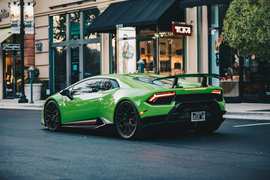
Adding a touch of unexpected eccentricity, Ford is also rumored to be developing a Mustang Raptor. Inspired by Porsche’s 911 Dakar and Lamborghini’s Sterrato, this concept reimagines the Mustang as an off-road capable machine. Reports suggest a naturally aspirated V-8 engine, all-wheel drive, and a lifted suspension with Fox Live Valve dampers. This limited-run model, expected around 2026, will cater to buyers seeking a blend of performance and adventure.
Genesis is solidifying its position as a serious contender in the luxury performance space. The 2027 Genesis GV60 Magma, based on the exhilarating Hyundai Ioniq 5 N, will offer 601 horsepower with a boost function increasing output to 641 horsepower. The Magma variant will feature a retuned suspension and enhanced braking systems to handle the increased power. Following this, the 2028 Genesis Magma GT will introduce a mid-mounted twin-turbocharged V-8 engine in a slinky coupe body, with potential hybrid variants and a hardcore track-focused trim.
Toyota is making a bold statement in the supercar realm with the GR GT. Previously rumored to wear a Lexus badge, this vehicle will debut as the first standalone model under the GR performance brand. Its aluminum structure will house a twin-turbocharged 4.0-liter V-8 paired with an electric motor via an eight-speed transaxle. The hybrid powertrain will deliver a combined 641 horsepower, enabling a claimed top speed of 199 mph. With an expected price around $300,000, the GR GT represents Toyota’s commitment to pushing the boundaries of performance.
Infiniti is returning to its enthusiast-focused roots with a revived Q50 sedan for 2028. Drawing inspiration from the popular G35 coupe of the early 2000s, the new Q50 will feature a twin-turbocharged V-6 engine borrowed from the Nissan Z, producing at least 400 horsepower. Intriguingly, Infiniti is considering a manual transmission option, further enhancing its appeal to driving purists.
Luxury Electrification and Brand Expansion
Several luxury brands are leveraging the EV revolution to expand their portfolios into new segments.
Jaguar is embarking on a complete brand reset with the I-type, slated for late 2026. This large, four-door grand tourer will be the first model in a new all-electric lineup aimed at repositioning Jaguar as a competitor to brands like Bentley. The I-type will adopt a bold, blocky design language inspired by the Type 00 concept and will target an impressive 430-mile range. With pricing expected to start near $200,000, this vehicle signals Jaguar’s ambition to capture a more affluent and design-conscious audience.
Lexus is signaling its intent to compete in the high-performance EV space with a production version of the LFA concept, expected around 2029. This model will utilize the same aluminum platform as the GR GT but will feature an unspecified electric powertrain. Previous concepts have hinted at a 0-60 mph time in the low 2-second range and a range exceeding 430 miles, thanks to solid-state batteries. A simulated manual transmission is also rumored, preserving the engaging driving experience that defined the original LFA.
Genesis is expanding its SUV lineup with the upcoming GV90, a large, three-row electric SUV positioned as the brand’s flagship. While specifications are yet to be confirmed, the GV90 is expected to offer standard all-wheel drive, a range of around 250 miles, and an opulent interior rivaling the G90 sedan. The 2024 Neolun concept provided a glimpse into the design language of this range-topping model.
Trucks and Off-Roaders Enter the EV Era
The pickup truck segment, a stronghold of the American automotive market, is undergoing a significant electrification and modernization push.
The 2027 Chevrolet Silverado is set to receive a substantial update. While styling will remain true to the current generation’s assertive look, the powertrain will see significant changes. The existing turbocharged four-cylinder will be joined by a new small-block V-8, likely measuring 5.7 liters and producing more power than the current 5.3-liter’s 355 horsepower. Fuel economy is also expected to improve by around 6 percent. The Duramax diesel six-cylinder will likely carry over, with the base WT trim maintaining a price point around $40,000.
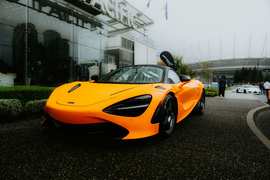
Chevrolet is also expanding its performance-oriented subbrand with a Corvette-badged SUV, expected in the near future. Riding on GM’s Alpha platform, this model could offer a range of powertrains, from a turbocharged four-cylinder on the low