



The Unplugging of Afeela 1: A Deep Dive into the Challenges of Premium EV Disruption
From my vantage point spanning a decade in the automotive and technology sectors, witnessing the ebb and flow of ambitious ventures is a familiar narrative. Yet, the recent announcement regarding the cessation of development for the Afeela 1 electric sedan by Sony Honda Mobility (SHM) sends a particularly resonant ripple through the industry. What was once heralded as a beacon of cross-sector innovation—a confluence of Japanese engineering prowess and consumer electronics sophistication—has now become a poignant case study in the harsh realities of the modern electric vehicle (EV) market. This isn’t merely a cancellation; it’s a profound illustration of the strategic complexities, technological hurdles, and economic pressures that define the current landscape of automotive innovation.
When Sony and Honda first unveiled the Afeela concept, particularly the Afeela 1 electric sedan, it was met with considerable excitement. Here was a joint venture promising to fuse cutting-edge software, advanced driver-assistance systems (ADAS), and immersive infotainment with Honda’s well-established automotive manufacturing expertise. The vision was compelling: a software-defined vehicle, designed from the ground up to be an experience platform, not just a mode of transport. The planned launch, initially targeting the lucrative California EV market, seemed a bold yet logical entry into the premium electric vehicle segment. However, the dream of the Afeela 1 electric sedan as a production reality has now been formally extinguished, a decision that warrants a thorough examination of its underlying causes and broader implications for the future of mobility.
The Afeela Dream: A Vision Under Pressure
The original ambition for the Afeela 1 electric sedan was undeniably grand. It wasn’t just about another electric car; it was about reimagining the in-car experience. Sony’s rich history in entertainment and consumer electronics was expected to translate into unparalleled digital integration, intuitive user interfaces, and potentially even unique gaming or content consumption opportunities on the go. Honda, in turn, was to provide the robust automotive platform, the manufacturing capabilities, and the safety standards required for a vehicle destined for global markets.
Key specifications, though not revolutionary, were solid: a dual-motor powertrain boasting over 400 horsepower, promising spirited performance. The estimated range of around 300 miles, while respectable, wasn’t class-leading, especially when considering the projected starting price north of $89,900 for the base Origin trim and over $102,900 for the Signature trim. This pricing strategy immediately placed the Afeela 1 electric sedan in direct competition with established luxury electric vehicles from Tesla, Mercedes-Benz, Porsche, and emerging premium players. The value proposition, therefore, hinged heavily on its unique software and connected car technology attributes rather than raw performance or range.
From an industry perspective, this was a high-stakes gamble. The automotive sector, particularly the EV space, has become incredibly capital-intensive and fiercely competitive. New entrants face an uphill battle against incumbents with deep pockets, entrenched supply chains, and established brand loyalty. For the Afeela 1 electric sedan to succeed, it needed to offer a truly compelling differentiator that justified its premium price tag and persuaded consumers to choose a nascent brand over proven entities.
Honda’s Strategic Pivot: A Domino Effect
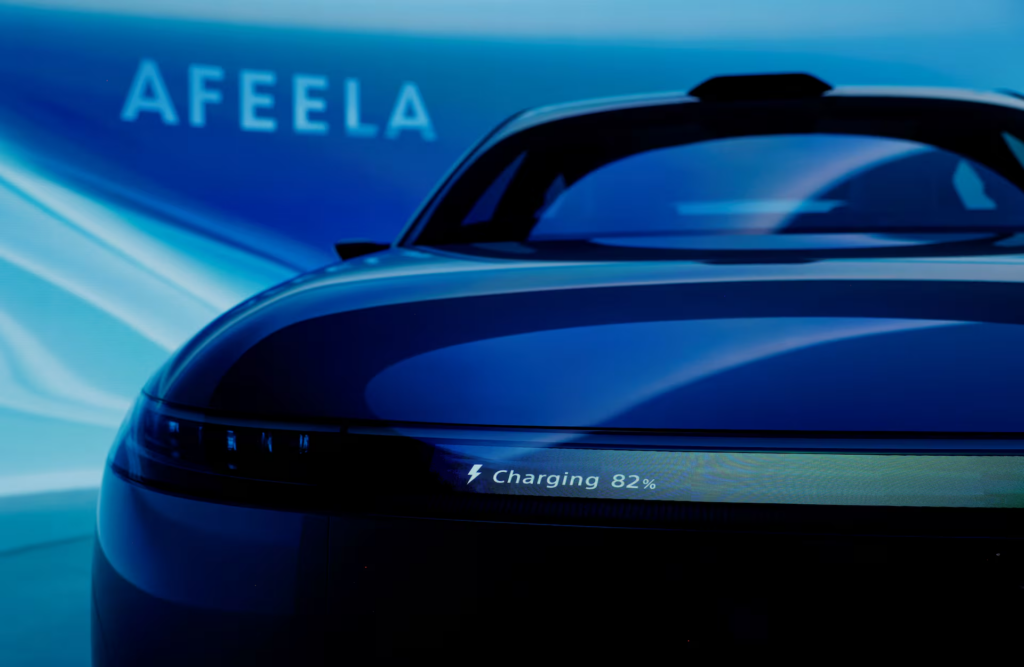
The immediate catalyst for the Afeela 1 electric sedan’s demise was Honda’s broader reevaluation of its own electric vehicle strategy. Earlier this month, Honda announced a significant pivot, canceling plans to build three new EVs on an all-new platform in the United States. This decision, seemingly a separate corporate maneuver, directly undermined the foundational premise of Sony Honda Mobility. SHM had intended to leverage certain technologies, manufacturing assets, and expertise that were originally slated to be provided by Honda. When Honda withdrew its commitment to its own US-based EV production, the entire scaffolding supporting the Afeela 1 electric sedan project collapsed.
This move by Honda reflects a deeper trend we’re observing across the automotive industry trends: a recalibration of aggressive EV targets in the face of evolving market conditions. While the long-term shift towards electrification remains undeniable, the pace of adoption, particularly in certain segments, has proven more unpredictable than initially forecasted. Factors such as charging infrastructure readiness, consumer skepticism around range and cost, and the sheer complexity of transitioning legacy manufacturing to EV production are forcing automakers to adapt. Honda, a company known for its meticulous engineering and calculated risk-taking, appears to be opting for a more measured approach, prioritizing profitability and sustainable growth over an all-out sprint to electrification.
For SHM, this meant the abrupt withdrawal of essential resources. The statement from Sony Honda Mobility was stark: without “certain technologies and assets that were originally planned to be provided by Honda,” the joint venture “determined that it does not have a viable path forward to bring the Models to market as originally planned.” This wasn’t just about a factory in Ohio or shared components; it likely involved foundational EV platform development, battery technology expertise, and perhaps even critical supply chain access for semiconductors and other high-value components essential for the Afeela 1 electric sedan’s advanced features.
The “Software-Defined Vehicle” Conundrum and High-CPC Implications
The core differentiator of the Afeela 1 electric sedan was its emphasis on being a “software-defined vehicle” (SDV), integrating advanced driver-assistance systems (ADAS) and a powerful onboard computer. This vision aligns perfectly with major automotive industry trends, where software is increasingly becoming the primary battleground for differentiation and value creation. However, executing on this vision is monumentally challenging and expensive.
Developing sophisticated ADAS capabilities requires immense investment in AI, sensor technology, and validation. The talent pool for these specialized areas is fiercely competitive, leading to soaring R&D costs. Furthermore, the semiconductor supply chain remains volatile, with dedicated automotive-grade chips becoming a crucial bottleneck. For a new entrant like Afeela, securing priority access to these components alongside established players is a formidable task.
This emphasis on software also brings into focus several high-CPC keyword areas that highlight significant industry investment. Terms like “advanced driver-assistance systems (ADAS),” “connected car technology,” “automotive cybersecurity solutions,” and “EV software platforms” command premium ad placements because they represent the bleeding edge of automotive innovation and are critical investment areas for major players. The fact that the Afeela 1 electric sedan staked its claim on these complex domains, yet couldn’t clear the fundamental hurdles, underscores the immense difficulty of delivering on the SDV promise. Consumers are willing to pay for superior performance or luxury, but the market for premium software experiences in a car is still maturing, and convincing them to pay over $90,000 for it is a tough sell, especially with a new brand.
Market Dynamics and Competitive Pressures
The cancellation of the Afeela 1 electric sedan also serves as a stark reminder of the cutthroat nature of the premium EV segment. This isn’t a market for the faint of heart. Tesla, with its decade-plus head start, vast Supercharger network, and robust software ecosystem, holds significant mindshare. Traditional luxury brands like Porsche, Audi, Mercedes-Benz, and BMW are pouring billions into their own sophisticated luxury electric vehicles, leveraging decades of brand equity and engineering excellence. Emerging Chinese manufacturers like Nio and XPeng are also making aggressive inroads, often with innovative battery-swap technologies and competitive pricing.
When the specifications of the Afeela 1 electric sedan were revealed – 400+ hp and 300 miles of range for nearly $90,000 – they were seen as adequate but not game-changing. In a market where Tesla offers similar or superior performance and range for less, and established luxury brands provide unparalleled interiors and brand prestige, the Afeela 1 faced an uphill battle. The styling, described by some as “designed to be in the background of a video game,” didn’t help it stand out in a visually competitive landscape.
The broader EV market trends also reveal a bifurcation. On one hand, there’s growing demand for more affordable EVs, driven by environmental concerns and government incentives. On the other, the high-end luxury segment demands cutting-edge technology, exceptional performance, and exclusive features. The Afeela 1 electric sedan attempted to straddle these, offering tech-forward features at a premium price, but arguably without the brand cachet or truly groundbreaking hardware specifications to differentiate effectively.
Furthermore, topics like “EV battery innovation” and “charging infrastructure” are paramount. While the Afeela 1’s range was decent, it wasn’t pushing boundaries, and access to a reliable, fast charging network is a critical consumer concern, especially in markets like California where EV adoption is high. Building out such infrastructure or ensuring compatibility with existing networks represents another layer of complexity and cost that new entrants must tackle.
Broader Implications for Automotive Joint Ventures and EV Investment
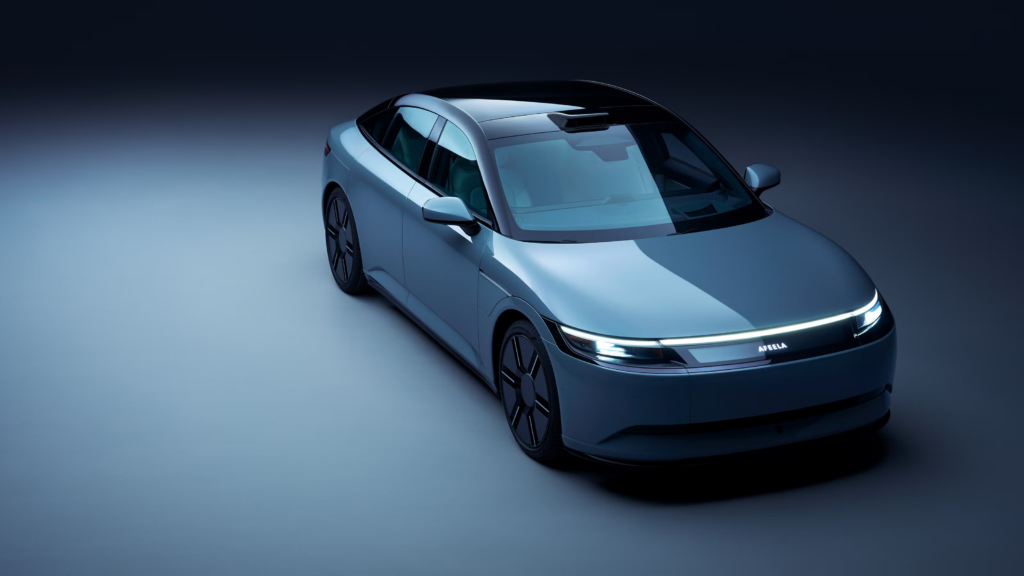
The Afeela 1 saga offers crucial insights for future automotive joint ventures. While collaboration between tech giants and traditional automakers holds immense promise for the “future of mobility solutions,” it also highlights the inherent challenges. Divergent corporate strategies, differing timelines, and the complex integration of disparate corporate cultures can prove insurmountable. Honda’s decision to backtrack on its broader EV investment strategy effectively pulled the rug out from under SHM, demonstrating that even strong partnerships can be vulnerable to internal strategic shifts within parent companies.
This situation will undoubtedly cause other companies to scrutinize their own EV investment strategies and joint venture structures. The commitment needs to be absolute, and the reliance on external parent company assets needs to be clearly delineated and contractually robust. The lesson here is clear: an automotive platform innovation requires singular focus and dedicated resources, especially when entering a hyper-competitive market. Without that, even the most innovative concepts, like the Afeela 1 electric sedan, can quickly falter.
The cancellation also underscores the intense scrutiny on return on investment in the EV sector. Companies are pouring billions into electrification, and shareholders are increasingly demanding clear paths to profitability. When a project, even one as technologically advanced as the Afeela 1 electric sedan, can’t demonstrate a viable path to market or sufficient differentiation to command its premium pricing, it becomes a liability. This will influence future EV investment decisions, pushing companies towards more proven concepts or clearer strategic alignment.
Lessons Learned and the Path Forward
The story of the Afeela 1 electric sedan is a sobering reminder that innovation alone is not enough for success in the automotive industry. It requires a holistic approach encompassing strategic clarity, robust manufacturing capabilities, a compelling value proposition, and an unwavering commitment from all stakeholders. For the Afeela 1 electric sedan, the ambition was palpable, but the execution faced an array of challenges, from market competitiveness to crucial internal strategic shifts.
While Sony Honda Mobility will continue discussions regarding future business plans, the immediate future for a production vehicle from the venture seems bleak. Full refunds are being issued to reservation holders, which, from an industry expert perspective, is a clear indication that the project, as conceived, is dead. This isn’t necessarily a complete death knell for the partnership, as the insights gained from the Afeela 1’s development, particularly in areas like ADAS, user interfaces, and software integration, could still be valuable for future collaborations or for Sony and Honda’s independent EV endeavors.
The takeaway for the broader industry is that while the march towards electrification and software-defined vehicles is inevitable, the journey is fraught with peril. Companies must conduct rigorous market analysis, refine their value propositions, secure their supply chains, and ensure their internal strategic alignments are rock-solid before embarking on such capital-intensive ventures. The dream of the Afeela 1 electric sedan was bright, but its grounding serves as a critical, albeit expensive, lesson in the ongoing transformation of the automotive world.
As we continue to navigate this dynamic landscape of sustainable transportation technologies and electric car innovation, the ultimate winners will be those who combine visionary thinking with pragmatic execution, strong brand identity, and a deep understanding of consumer willingness to pay for new technologies.
The cancellation of the Afeela 1 electric sedan leaves a void, but it also opens up space for new insights and future innovations. We invite you to stay abreast of these critical developments and engage with our comprehensive analyses of the evolving automotive market. For deeper insights into EV investment strategies, advanced driver-assistance systems, or the intricacies of the automotive supply chain, explore our expert whitepapers and consulting services tailored to today’s demanding market realities.