
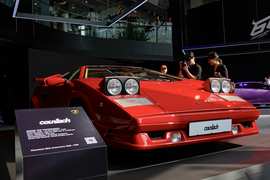
The Billion-Dollar Reveal: Inside the World’s Most Exclusive Hypercar Collection
In the realm of automotive history and high-stakes collecting, few figures possess the vision—or the resources—to curate an ensemble of machinery that redefines the concept of private ownership. For decades, the most elite automotive treasures were whispered about in hushed tones, locked away in climate-controlled bunkers far from the prying eyes of the public. However, a seismic shift has occurred in the landscape of automotive preservation. German industrialist Friedhelm Loh has shattered the mold, opening the doors to his staggering $1.5 billion hypercar collection, transforming what was once a clandestine sanctuary into the Nationales Auto Museum—The Loh Collection.
As an industry veteran who has spent over a decade analyzing the collector car market, I can tell you that seeing a hypercar collection of this magnitude move from private secrecy to public exhibition is virtually unprecedented. We aren’t talking about a few showroom Ferraris; we are talking about a curated historical timeline of engineering excellence that provides a masterclass in automotive evolution.
The Architect Behind the Iron Curtain
Friedhelm Loh, the mastermind behind this monumental endeavor, built his fortune through the Friedhelm Loh Group, a global industrial powerhouse. His path to amassing the world’s most significant hypercar collection was not driven by the typical “wealth display” motivations we see in modern supercar culture. Instead, it was fueled by an obsessive, systematic appreciation for mechanical ingenuity.
Located just an hour from Frankfurt in Dietzhölztal-Ewersbach, the museum occupies a revitalized industrial foundry. The juxtaposition of rugged, historic brickwork and the sleek, polished bodies of the world’s fastest automobiles creates an atmosphere that feels less like a traditional museum and more like a temple of speed. For those planning a European automotive tour, this is a must-visit destination, effectively bridging the gap between high-end industrial heritage and the pinnacle of exotic car ownership.
A Curatorial Masterpiece: 130 Vehicles, 50 Manufacturers
The sheer diversity within this $1.5 billion portfolio is staggering. While many collectors focus exclusively on modern limited-edition supercars, Loh’s approach is historical and holistic. The museum houses roughly 130 vehicles representing 50 different manufacturers, creating a narrative that spans from the dawn of the combustion engine to the experimental frontiers of the 21st century.
When you walk through these halls, you aren’t just looking at metal and rubber; you are witnessing the evolution of performance. The collection highlights include:
1895 Benz Viktoria: This serves as the cornerstone of the museum, providing a direct link to the genesis of the automobile. Seeing this in original, unmolested condition is a rare treat for any automotive historian.
Maybach Exelero: Perhaps the most famous “one-off” in modern history, the Exelero remains the crown jewel for many enthusiasts. Developed as a high-speed tire testing vehicle for Fulda, its 5.9-liter twin-turbo V12 engine and Art Deco-inspired silhouette remain as menacing today as they were upon its debut.
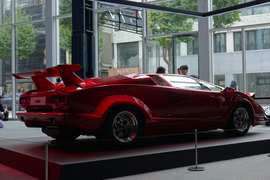
Motorsport Legends: For those interested in high-CPC investment pieces, the museum’s racing wing is a goldmine. The Ferrari F1-2000 and a Le Mans-winning Audi R8 represent the pinnacle of track-focused engineering. The fact that the R8 is the only Le Mans-winning unit not held within Audi’s own corporate archives underscores the immense reach and influence of the Loh Collection.
The Economics of Hypercar Collection Investment
From a market perspective, the move to open this hypercar collection to the public is a brilliant piece of asset management. As global interest in rare and collectible automobiles continues to surge, museums provide a unique platform to establish provenance. When a vehicle is featured in a publicly recognized, high-profile exhibition, its historical significance—and consequently its valuation—often sees a marked increase.
For high-net-worth individuals, luxury vehicle asset management is increasingly moving toward this “museum-grade” approach. By documenting the history of these cars, owners ensure that their investments remain protected against market volatility. Furthermore, the museum provides a physical space for enthusiasts to engage with the brand, fostering a deeper appreciation for the limited-production hypercars that define the current era of wealth accumulation.
Experience the Collection: Why It Matters in 2025
The landscape of luxury car culture is changing. In 2025, the value of a vehicle is no longer measured solely by its horsepower or its 0–60 mph time. It is measured by the story it tells. Friedhelm Loh understands that by inviting the public to witness his hypercar collection, he is cementing his legacy in the annals of automotive history.
Whether you are a casual fan of the Porsche 911 GT3, a serious investor looking into the next high-end automotive auction, or someone who simply appreciates the art of the internal combustion engine, the Nationales Auto Museum offers a perspective that is rarely accessible.
Why You Should Visit
At an entry price that is exceptionally reasonable given the $1.5 billion value of the inventory, the museum offers a level of access that would usually require a private invitation. It is an opportunity to stand inches away from machines that have shaped global racing culture, technological innovation, and the aesthetic standards of the 20th and 21st centuries.
As we look toward the future of the automotive industry, where electrification and automation begin to dominate, the importance of preserving these mechanical masterpieces becomes paramount. The Loh Collection acts as a guardian of our collective automotive past.
Are you ready to see history in motion? If you are planning your next trip to Germany, make sure to add the Nationales Auto Museum to your itinerary. It is more than just a destination; it is an education in what makes a luxury hypercar truly timeless. Take the next step in your automotive journey—visit the museum website, book your tickets, and experience the collection that has captured the imagination of the world’s most dedicated petrolheads.