🔻 WATCH THE VIDEO BELOW 🔻

The Ultimate Speed Kings: Revisiting the Most Powerful Production Cars of All Time
For petrolheads and automotive enthusiasts, there’s a certain thrill that comes with discussing the most powerful production cars ever made. It’s a conversation that pits engineering marvels against each other, pushing the boundaries of what’s possible on four wheels. While many dream of owning these beasts, the reality is that they represent the pinnacle of automotive achievement, combining raw power with luxurious refinement.
Over the years, the definition of a “production car” has evolved, but the core idea remains: vehicles mass-produced for public sale, adhering to certain regulatory standards. This distinction separates true production models from one-off prototypes or limited-run custom builds. In this deep dive, we’ll revisit the titans of speed, exploring the technological innovations and sheer horsepower that have cemented their legendary status in automotive history.
The Reigning Champion: Bugatti Veyron 16.4 Super Sport
When the Bugatti Veyron 16.4 Super Sport first roared onto the scene, it shattered records and redefined what was possible in a production car. This French hypercar wasn’t just fast; it was a technological tour de force, combining luxurious comfort with mind-bending performance.
Engineering Excellence
At the heart of the Veyron Super Sport lies its legendary 8.0-liter quad-turbocharged W16 engine. This engineering marvel produces a staggering 1,200 horsepower and 1,106 lb-ft of torque, propelling the car from 0 to 60 mph in a mere 2.4 seconds. Its top speed? An eye-watering 267 mph, making it the fastest production car in the world for several years.
What makes the Veyron truly special is its balance of power and refinement. Bugatti engineers painstakingly developed the car to handle such extreme performance while maintaining the luxury expected of a Bugatti. The carbon fiber monocoque chassis provides exceptional rigidity, while the advanced aerodynamics ensure stability at triple-digit speeds.
Production Realities
Unlike some hypercars that exist as one-off concepts, the Veyron was a true production car, with 435 examples built over its production run. This availability to the public, albeit to a very select few, solidified its place in automotive history. While other manufacturers have since surpassed the Veyron’s power output, none have matched its combination of speed, luxury, and cultural impact.
The Veyron’s legacy continues to influence modern hypercars, with many adopting similar engineering principles. It remains a benchmark against which all other high-performance vehicles are measured.
The Hybrid Revolution: Ferrari LaFerrari and McLaren P1
The early 2010s marked a turning point in automotive engineering, as manufacturers began incorporating hybrid technology into their hypercars. This fusion of internal combustion and electric power offered unprecedented performance while addressing environmental concerns.
Ferrari LaFerrari
The LaFerrari, meaning “The Ferrari” in Italian, is a testament to Ferrari’s engineering prowess. This mid-engine hybrid hypercar combines a 6.3-liter V12 engine with an electric motor, producing a combined output of 950 horsepower.
What sets the LaFerrari apart is its Formula 1-derived kinetic energy recovery system (KERS). This technology allows the car to harvest energy during braking and deploy it during acceleration, providing an instant boost of power. The result is a car that feels alive, with razor-sharp throttle response and blistering acceleration.
McLaren P1
Across the English Channel, McLaren unveiled its own hybrid hypercar, the P1. Inspired by Formula 1 technology, the P1 combines a twin-turbocharged V8 engine with an electric motor to produce 903 horsepower.
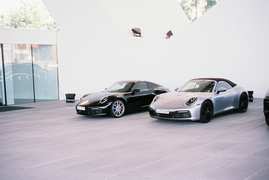
The P1’s design is a masterclass in aerodynamics, with active aero elements that adjust to optimize downforce and cooling. Its lightweight carbon fiber construction ensures that every ounce of power is put to effective use, resulting in a 0-60 mph time of just 2.8 seconds.
Both the LaFerrari and P1 demonstrate that hybrid technology isn’t just about efficiency; it’s about enhancing performance in ways that traditional powertrains cannot match. These cars paved the way for the current generation of hybrid hypercars, proving that the future of high performance is electric.
The German Contender: Porsche 918 Spyder
Porsche, a brand synonymous with automotive excellence, also entered the hybrid hypercar arena with the 918 Spyder. This open-top masterpiece combines a V8 engine with two electric motors, delivering a combined output of 795 horsepower.
What makes the 918 Spyder unique is its all-wheel-drive system, which allows for exceptional traction and handling. The car can operate in pure electric mode for short distances, offering a glimpse into the future of sustainable performance.
The V12 Purists: Ferrari F12 Berlinetta and Lamborghini Aventador
While hybrid technology offers undeniable benefits, some manufacturers remain committed to the purity of the internal combustion engine. The Ferrari F12 Berlinetta and Lamborghini Aventador LP700-4 are prime examples of this philosophy, showcasing the beauty of naturally aspirated V12 power.
Ferrari F12 Berlinetta
The F12 Berlinetta represents the pinnacle of front-engine V12 Ferrari GT cars. Its 6.3-liter V12 engine produces a phenomenal 730 horsepower, propelling the car from 0-60 mph in just 3.1 seconds. The car’s exceptional handling and responsive steering make it a joy to drive on both road and track.
Lamborghini Aventador LP700-4
The Lamborghini Aventador LP700-4 is a symphony of Italian design and engineering. Its naturally aspirated V12 engine produces 690 horsepower, delivering a soundtrack that is nothing short of intoxicating. With its aggressive styling and breathtaking performance, the Aventador is a true work of automotive art.
The American Muscle: Dodge Charger SRT Hellcat and SRT Viper
The United States has a long history of producing powerful muscle cars, and the Dodge Charger SRT Hellcat and SRT Viper are modern-day icons of this heritage.
Dodge Charger SRT Hellcat
The Charger SRT Hellcat redefined the term “muscle car” by combining four-door practicality with supercar performance. Its supercharged 6.2-liter V8 engine produces an astonishing 707 horsepower, making it the most powerful production sedan in the world. The Hellcat’s aggressive styling and menacing presence have made it a favorite among performance enthusiasts.
SRT Viper
The SRT Viper, a spiritual successor to the Shelby Cobra, embodies the American philosophy of “big engine, lightweight body.” Its massive V10 engine, co-developed with Lamborghini, produces 640 horsepower, providing exhilarating performance. The Viper’s raw, unfiltered driving experience has earned it a cult following among driving purists.
The Luxury Grand Tourers: Ferrari FF and McLaren 650S
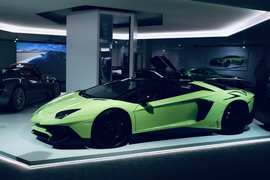
Not all high-performance cars are designed for the track. The Ferrari FF and McLaren 650S demonstrate that luxury and performance can coexist harmoniously.
Ferrari FF
The Ferrari FF, meaning “Ferrari Four,” is a practical yet exhilarating grand tourer. With four seats and ample luggage space, it’s the perfect car for long-distance journeys. The FF’s all-wheel-drive system and powerful V12 engine make it capable of tackling any road in any weather condition.
McLaren 650S
The McLaren 650S combines the performance of a supercar with the comfort of a grand tourer. Its 3.8-liter twin-turbocharged V8 engine produces 641 horsepower, delivering breathtaking acceleration. The 650S’s refined ride and luxurious interior make it a compelling choice for those who want both performance and comfort.
The Evolution of Automotive Performance
The cars featured in this list represent the pinnacle of automotive engineering, each pushing the boundaries of what was thought possible. From the early days of the Veyron to the hybrid revolution of the 2010s, these vehicles have left an indelible mark on automotive history.
Technological Advancements
The evolution of these cars reflects the rapid advancements in automotive technology. The development of carbon fiber construction, advanced aerodynamics, and hybrid powertrains has allowed manufacturers to extract more performance from their vehicles than ever before.
The Future of Performance
As we look to the future, it’s clear that electric powertrains will play an even more significant role in high-performance cars. With companies like Tesla pushing the boundaries of electric performance, we can expect to see even more powerful and capable electric hypercars in the years to come.
However, the legacy of these iconic V12 and W16-powered machines will continue to inspire and influence the next generation of automotive engineers. They represent a time when raw power and mechanical artistry reigned supreme, creating a golden era of automotive performance that will be remembered for generations to come.
Why These Cars Matter
Beyond their impressive performance figures, these cars represent more than just speed. They are symbols of human ingenuity, pushing the boundaries of what’s possible through relentless innovation and a passion for engineering excellence. Each car tells a story of dedication, precision, and a relentless pursuit of perfection.
A Testament to Engineering Excellence
The development of these hypercars required collaboration between some of the world’s best engineers, designers, and technicians. The attention to detail, from the hand-stitched leather interiors to the finely tuned aerodynamic elements, is a testament to their craft.
Cultural Impact

These cars have transcended the automotive world, becoming cultural icons that represent the pinnacle