🔻 WATCH THE VIDEO BELOW 🔻

The Golden Era of Muscle Cars: From the Streets to the Strip
In the competitive landscape of American automotive history, the term “muscle car” conjures images of raw power, aggressive styling, and a cultural phenomenon that defined generations. For over a decade, from the mid-1960s to the mid-1970s, these high-performance machines dominated the drag strips and city streets, captivating enthusiasts with their thunderous V8 engines and head-turning aesthetics. While the golden era has long passed, the legacy of these iconic vehicles continues to inspire and influence car culture today, with many models fetching record-breaking prices at auctions and remaining highly sought after by collectors and performance enthusiasts worldwide.
The Genesis of the Muscle Car
The birth of the muscle car can be traced back to the late 1950s, when American automakers began experimenting with placing powerful V8 engines into mid-size and compact car bodies. Initially intended for the burgeoning youth market, these cars quickly gained popularity among a wider audience seeking affordable performance vehicles. The trend gained significant momentum in 1964 with the introduction of the Pontiac GTO, a car that is widely regarded as the first true muscle car. Featuring a 389 cubic inch V8 engine and a four-speed manual transmission, the GTO offered a combination of speed and affordability that was unmatched at the time.
The Impact of the GTO
The GTO’s success sparked a frenzy among other automakers, leading to a proliferation of muscle car models throughout the late 1960s and early 1970s. Ford responded with the Mustang, Chevrolet with the Camaro, Dodge with the Charger, and Plymouth with the Barracuda, each vying for dominance in the rapidly expanding market. These cars, often equipped with large displacement V8 engines, boasted horsepower ratings that ranged from the mid-300s to well over 400, making them capable of quarter-mile times that rivaled those of dedicated race cars.
The Golden Era: Peak Performance
The late 1960s and early 1970s represent the zenith of the muscle car era. During this period, automakers pushed the boundaries of performance, offering a wide array of engine options and performance packages. The horsepower wars reached their peak in 1970, with the introduction of the 426 cubic inch HEMI V8 engine in the Dodge Charger and Plymouth Barracuda, delivering a staggering 425 horsepower and 490 lb-ft of torque. This engine became an icon of the era, synonymous with raw power and uncompromising performance.
The Decline of the Muscle Car
However, the golden era was not destined to last forever. By the mid-1970s, a combination of factors led to the decline of the muscle car. Stricter emissions regulations, rising insurance premiums, and the oil crisis of 1973 all contributed to the demise of these high-performance machines. Automakers were forced to reduce engine displacement and compression ratios to meet environmental standards, resulting in a significant decrease in horsepower ratings. Many muscle car models were discontinued or relegated to less powerful, less desirable configurations.
The Comeback: A New Generation of Muscle Cars
While the original muscle car era may have ended, the spirit of these iconic vehicles lived on. In the 21st century, automakers began to revive the muscle car concept, introducing a new generation of high-performance vehicles that paid homage to their predecessors. Models like the Dodge Challenger, Chevrolet Camaro, and Ford Mustang returned with modern engineering, advanced technology, and even more impressive performance figures than their legendary ancestors.
The Dodge Challenger SRT Hellcat: A Modern Icon
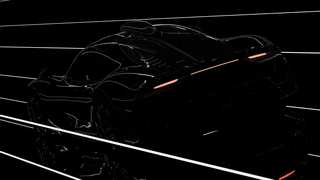
Among the modern muscle cars, the Dodge Challenger SRT Hellcat stands out as a true icon of the new era. With its supercharged 6.2-liter HEMI V8 engine producing 717 horsepower, the Hellcat shattered previous performance benchmarks and redefined what was possible in a production muscle car. This vehicle quickly gained legendary status, becoming a benchmark for performance enthusiasts and a symbol of the muscle car’s resurgence.
The Mustang Shelby GT500: A Return to Form
Ford’s Mustang Shelby GT500 also represents a significant achievement in modern muscle car engineering. With a supercharged 5.2-liter V8 engine delivering 760 horsepower, the GT500 is a track-capable machine that can also be driven on the street. Its advanced aerodynamics, sophisticated suspension systems, and premium interior appointments make it a formidable competitor in the high-performance automotive landscape.
The Chevrolet Camaro ZL1: A Track-Focused Beast
Chevrolet’s Camaro ZL1 has evolved into a track-focused powerhouse, combining the raw power of its predecessors with modern performance technology. Equipped with a supercharged 6.2-liter LT4 V8 engine, the ZL1 delivers 650 horsepower and 650 lb-ft of torque, allowing it to accelerate from 0 to 60 mph in under 3.5 seconds. Its advanced chassis, suspension, and braking systems make it a formidable competitor on both the street and the track.
The Legacy Continues
The muscle car legacy continues to thrive, with each new generation pushing the boundaries of performance and design. While the focus has shifted somewhat towards sustainability and efficiency, the core principles of the muscle car—power, performance, and style—remain as relevant as ever. Today’s muscle cars offer a blend of old-school charm and modern technology, providing enthusiasts with an exhilarating driving experience that pays homage to the golden era while embracing the future of automotive innovation. The muscle car may have evolved, but its spirit lives on, promising to captivate and inspire for generations to come.
Understanding the Muscle Car Phenomenon
The allure of the muscle car extends far beyond its impressive specifications and performance figures. These vehicles represent a cultural movement that emerged during a time of social and cultural change in America. The muscle car symbolized freedom, rebellion, and the pursuit of excitement, offering a way for individuals to express their individuality and break away from convention.
The Cultural Impact of the Muscle Car
During the 1960s and 1970s, the muscle car became an integral part of American popular culture. It appeared in movies, television shows, and music, often depicted as a symbol of power, speed, and adventure. Legendary races between muscle cars became iconic moments in automotive history, captivating audiences and solidifying the vehicles’ place in the cultural consciousness.
The Social Dynamics of Muscle Car Culture
The muscle car also played a significant role in shaping social dynamics. Car clubs and cruising culture emerged as central aspects of the muscle car experience, providing enthusiasts with a sense of community and belonging. These gatherings often featured friendly rivalries, technical discussions, and a shared passion for all things automotive. The camaraderie and competition fostered within these communities contributed to the enduring appeal of the muscle car.

The Evolution of Muscle Car Design
The design of muscle cars evolved throughout the golden era, reflecting the changing tastes and preferences of consumers. Early muscle cars often featured understated styling, with performance upgrades hidden beneath the hood. As the market matured, designs became more aggressive and flamboyant, with bold graphics, hood scoops, and spoilers becoming common features. This evolution in design mirrored the increasing demand for visual impact and a clear differentiation from standard production vehicles.
The Technological Advancements of the Era
Despite their reputation for raw power and simplicity, muscle cars also benefited from significant technological advancements during the golden era. The development of the HEMI engine, for example, showcased innovative engineering that pushed the boundaries of internal combustion technology. Advanced suspension systems, braking technologies, and aerodynamic refinements further enhanced the performance capabilities of these vehicles, making them capable of handling and stopping as well as they accelerated.
The Modern Interpretations: Blending Tradition and Innovation
Today’s muscle cars represent a masterful blend of tradition and innovation. Automakers have managed to capture the essence of the golden era while incorporating modern technology and engineering principles. The result is a new generation of vehicles that offer the visceral thrill of classic muscle cars with the safety, comfort, and performance expected by today’s drivers.
The Role of Aerodynamics in Modern Muscle Cars
Aerodynamics has become a critical component of modern muscle car design. While earlier models relied primarily on engine power for performance, today’s vehicles utilize advanced aerodynamic principles to enhance handling, stability, and efficiency. Features like active spoilers, diffusers, and underbody airflow management systems help these powerful machines stick to the road at high speeds, providing a level of performance that was unthinkable during the golden era.
The Importance of Fuel Efficiency and Emissions
In response to evolving environmental concerns and consumer preferences, modern muscle cars have also made strides in fuel efficiency and emissions control. While horsepower ratings remain impressive, automakers have developed technologies that allow these vehicles to meet contemporary standards without sacrificing performance. Hybrid powertrains and advanced engine management systems are increasingly being incorporated into muscle car designs, pointing towards a more sustainable future for the segment.
The Enduring Appeal of the Muscle Car
The enduring appeal of the muscle car lies in its ability to evoke powerful emotions and create unforgettable driving experiences. Whether it’s the thunderous roar of a HEMI engine, the G-forces of rapid acceleration, or the camaraderie of a car club gathering, muscle cars offer something that transcends mere transportation. They represent a connection to a bygone era, a celebration of automotive passion, and a timeless symbol of American automotive excellence.
The Future of the Muscle Car

As automotive technology continues to evolve, the future of the muscle car remains bright. While electrification and alternative fuels are becoming more prevalent, the core principles of the muscle car—power, performance, and style—are likely to endure. The next generation of muscle cars may feature electric powertrains, but they will undoubtedly continue to deliver the exhilarating performance and emotional connection that have made these vehicles legendary. The muscle car