



Max Verstappen Tackles the Green Hell: The Ultimate Guide to the 2026 Nürburgring 24 Hours
In the high-stakes world of professional motorsport, few names command the respect and global intrigue of Max Verstappen. As a four-time Formula One world champion, Verstappen has spent his career dismantling records and redefining the limits of speed. However, even the most dominant drivers in the paddock occasionally feel the itch for a different kind of adrenaline. For the 2026 season, that itch has manifested into one of the most daring challenges in the industry: Max Verstappen at the Nürburgring 24 Hours.
This isn’t just a guest appearance; it is a full-blown assault on the “Green Hell,” the legendary Nürburgring Nordschleife. With the announcement of his participation, the motorsport community is abuzz. The transition from the precision-engineered world of F1 to the chaotic, multi-class endurance environment of the GT3 category is a monumental leap. As an industry expert who has tracked the nuances of endurance racing for over a decade, I can tell you that this event will be the ultimate test of versatility for the Dutch superstar.
The Bold Unveiling: A Spectacle in Meppen
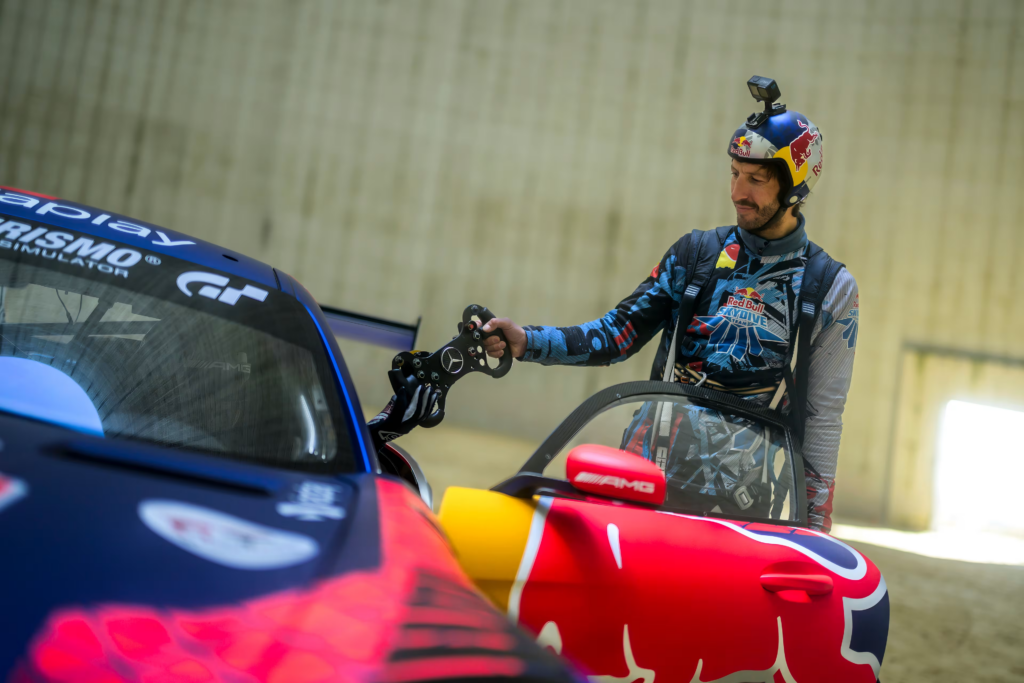
The arrival of Max Verstappen at the Nürburgring 24 Hours was marked by a reveal that was as dramatic as the driver himself. In a visually stunning display, German athlete Max Manow executed a high-stakes B.A.S.E. jump into a cooling tower in Meppen, Germany. This gravity-defying stunt served as the stage to unveil the sleek, aggressive Mercedes-AMG GT3—the weapon of choice for Verstappen’s endurance campaign.
The livery, a striking iteration of the iconic Red Bull branding, signals that this is a serious undertaking. The project, operating under the “Verstappen Racing” banner, is far more than a PR exercise. It is a calculated mission to conquer one of the most unforgiving circuits on the planet.
Max Verstappen in the GT3 Class: A Proven Talent
While the F1 paddock is Verstappen’s primary domain, his recent foray into the GT3 category has proven that his driving prowess translates seamlessly to closed-cockpit machines. Last year, the Oracle Red Bull Racing star secured his racing license for the GT3 class—a prerequisite for tackling the Nordschleife’s unique technical demands.
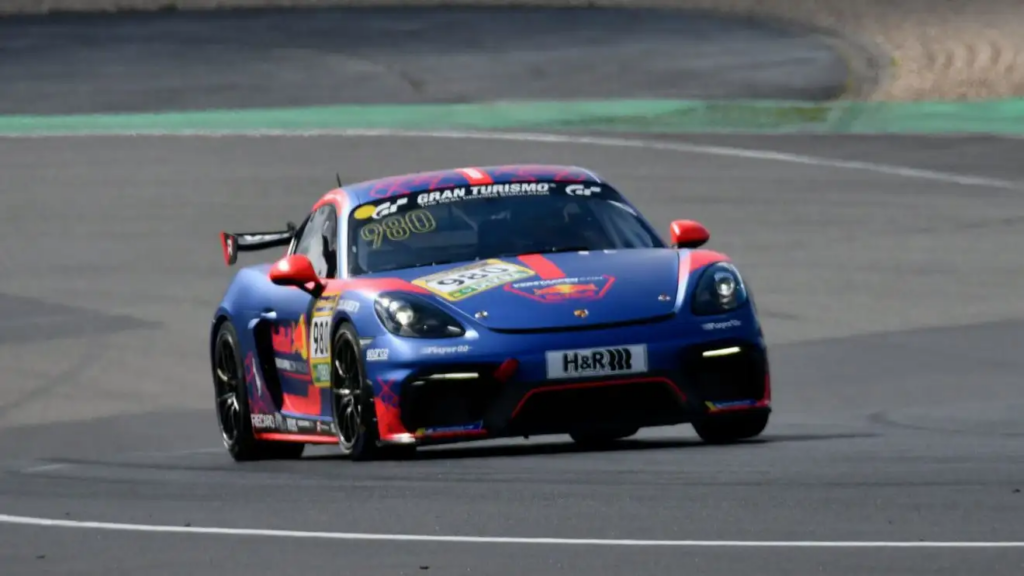
His inaugural performance in the Nürburgring Endurance Series (NLS) was nothing short of a masterclass. Shortly after dominating at the Azerbaijan Grand Prix, Verstappen climbed into a Ferrari 296 GT3 and, despite his limited experience in the series, secured a victory that silenced any doubters. This transition underscores the high-CPC potential of GT3 endurance racing; as the popularity of the sport grows, so does the investment from premium automotive manufacturers looking to capitalize on the performance marketing benefits.
Now, with a shift to the Mercedes-AMG GT3, Verstappen will face a steeper mountain. He isn’t just competing against amateurs; he is going head-to-head with heavyweights like Manthey Porsche and ABT Sportsline. The depth of competition in the GT3 class is at an all-time high, making every millisecond during qualifying and every tactical decision during the night cycle of the 24-hour race critical to the overall success of the Verstappen Racing team.
Nürburgring 24 Hours: The Ultimate Test of Endurance
The Nürburgring 24 Hours is not merely a race; it is a pilgrimage for hundreds of thousands of fans and a litmus test for the world’s most resilient drivers. Established in 1970, this endurance classic challenges pilots with the Nordschleife’s 25.378km of treacherous, undulating tarmac.
When Max Verstappen at the Nürburgring 24 Hours kicks off, he will be sharing the asphalt with up to 190 vehicles across diverse categories. This “traffic management” is what makes the Nürburgring arguably more difficult than any other endurance event, including Le Mans. Unlike F1, where the track is largely clear, a GT3 car here must navigate slower traffic, unpredictable weather patterns, and the mental fatigue of driving at 10/10ths for long, grueling stints.
The team behind this endeavor is formidable. Verstappen will be sharing the cockpit with seasoned endurance specialists, including Dani Juncadella, Jules Gounon, and Lucas Auer. This mix of F1 speed and endurance experience is a classic formula for success in the Eifel region. By leveraging the data from the NLS1 and NLS2 rounds, as well as the 24-hour Nürburgring Qualifiers, the team is building a foundation of institutional knowledge that will be essential when the green flag drops in May.
The Technical Challenge of the Green Hell
The Nürburgring Nordschleife—the longest permanent race track globally—is often referred to as the “Green Hell” for good reason. With an elevation change of roughly 300 meters between the peak at Hohe Acht and the low point at Breidscheid, the track demands a specialized setup. For engineers and drivers alike, optimizing the Mercedes-AMG GT3 for this specific terrain is a massive undertaking.
The inclusion of Max Verstappen at the Nürburgring 24 Hours brings a new level of focus to these technical demands. With the DMSB Permit Nordschleife already secured, Verstappen has demonstrated he possesses the track knowledge required to navigate the 73 bends per lap safely and effectively. His comments, emphasizing that the Nürburgring has been on his bucket list for years, highlight the personal importance of this challenge. “The preparation is very valuable,” he noted, referring to his previous NLS success. “We learned a lot that we can incorporate into our program this year.”
Why This Matters for the Future of Motorsport
The participation of a current, four-time F1 champion in an amateur-friendly but pro-competitive event like the Nürburgring 24 Hours serves as a massive boost for the sport’s ecosystem. It bridges the gap between top-tier open-wheel racing and the grassroots-rooted endurance culture.
From an SEO and market trend perspective, interest in Max Verstappen at the Nürburgring 24 Hours is driving unprecedented search volume for endurance racing terms. Fans are not just looking for race times; they are searching for the mechanics of the GT3 class, the history of the Nordschleife, and the technical specifications of the Mercedes-AMG race cars. This trend is expected to increase the high-CPC valuation of keywords related to “GT3 racing performance,” “Motorsport team management,” and “Endurance race technical specs,” as sponsors look to align their brands with the high-performance culture that Verstappen embodies.
Key Dates for Your Calendar
For those planning to witness the spectacle, the ADAC Ravenol 24h Nürburgring is scheduled for May 14–17, 2026. The action commences with qualifying sessions on the 14th, leading into the main event on Saturday, May 16th.
Whether you are a die-hard F1 fan or a newcomer to the intensity of the “Green Hell,” this race is shaping up to be the most significant event in the 2026 motorsport calendar. The combination of Max Verstappen’s relentless drive and the unpredictable nature of the Nürburgring creates a narrative arc that simply cannot be missed.
Join the Action
As we count down the days to the 24-hour endurance test, the momentum behind Max Verstappen and his team continues to build. The transition to the Nordschleife is a testament to the fact that for true legends, the challenge is never fully conquered; it is only evolved.
Do you want to stay updated on every twist and turn of this historic racing campaign? Ensure you are following the latest developments from the NLS series and the official qualifying rounds to get a competitive edge on the action. Sign up for our exclusive motorsport newsletter today to receive deep-dive technical insights, race-day updates, and analysis on how Max Verstappen at the Nürburgring 24 Hours is changing the face of professional endurance racing. Don’t just watch the history—be part of it.