🔻 WATCH THE VIDEO BELOW 🔻

The Evolution of Automotive Power: A Deep Dive into the World’s Most Potent Production Cars
The automotive landscape is in a perpetual state of flux, a thrilling arena where engineering prowess and design philosophy converge to create machines that challenge the very definition of performance. In 2014, the introduction of the Dodge Charger SRT Hellcat sent shockwaves through the industry, laying claim to the title of the most powerful four-door production car ever conceived. Yet, as we navigate the complexities of the modern automotive era, the question remains: where does this American muscle icon stand when juxtaposed against the pantheon of automotive legends that have graced our roads? This exploration delves into the heart of automotive excellence, dissecting the very essence of what constitutes a “production car” and tracing the lineage of the most powerful vehicles ever brought to market.
Defining the Beast: What is a Production Car?
Before embarking on this journey through the annals of automotive history, it is imperative to establish a clear and unequivocal definition of a “production car.” This designation is not merely a formality but a critical differentiator that separates the realm of the extraordinary from the domain of the bespoke. A production car, in the traten sense, refers to a vehicle that is manufactured in significant quantities, typically exceeding a threshold of 30 identical units. This criterion ensures that the vehicle is accessible to a broader spectrum of the market, distinguishing it from one-off prototypes or limited-run bespoke creations.
The rationale behind this distinction is rooted in the practicalities of automotive engineering and homologation. To qualify as a production car, a vehicle must undergo rigorous testing and certification processes to meet safety and environmental standards. This process is inherently tied to the volume of production, as manufacturers must demonstrate the viability of their designs on a commercial scale. Furthermore, the very notion of a “production car” implies a degree of standardization, where each unit adheres to the same specifications and performance parameters.
However, the lines blur when we consider the nuances of modern automotive manufacturing. The rise of specialized coachbuilders and aftermarket tuners has introduced a new dimension to this definition. Companies like Hennessey Performance and Koenigsegg operate at the fringes of this definition, offering vehicles that push the boundaries of performance while maintaining a degree of production viability. These manufacturers often produce vehicles in limited quantities, yet each unit is meticulously crafted to meet the exacting standards of its discerning clientele.
The Pinnacle of Power: A Historical Perspective
The quest for automotive power has been a driving force in the industry since its inception. From the early days of internal combustion engines to the sophisticated hybrid systems of the modern era, manufacturers have consistently sought to extract more performance from their creations. This pursuit has led to the development of some of the most iconic and revered vehicles in automotive history.
The Bugatti Veyron 16.4 Super Sport stands as a testament to this relentless pursuit of power. Introduced in the mid-2000s, the Veyron shattered preconceived notions of what was possible in a production car. With a quad-turbocharged W16 engine producing a staggering 1,200 horsepower, the Veyron redefined the benchmarks for speed and performance. Its impact on the automotive landscape was nothing short of seismic, inspiring a new generation of hypercar manufacturers to push the boundaries of what was thought possible.
Following in the Veyron’s formidable footsteps was the Ferrari LaFerrari. This Italian masterpiece, introduced in 2013, represented a paradigm shift in automotive engineering. By integrating a KERS (Kinetic Energy Recovery System) with a potent V12 engine, Ferrari created a hybrid hypercar that delivered an unprecedented combination of performance and efficiency. The LaFerrari’s 950 horsepower output placed it firmly in the upper echelon of production cars, further elevating the bar for its contemporaries.
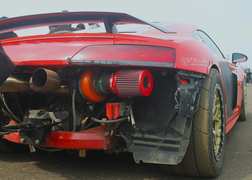
The McLaren P1, another hybrid marvel, emerged in the same era as a formidable contender in the hypercar arena. With 903 horsepower on tap, the P1 offered a driving experience that was both exhilarating and intoxicating. Its carbon fiber monocoque chassis and advanced aerodynamics created a machine that was as adept on the racetrack as it was on the road, solidifying its place in the annals of automotive history.
The Porsche 918 Spyder, a German entry into the hybrid hypercar fray, further underscored the industry’s shift towards electrification. With 795 horsepower, the 918 Spyder offered a compelling blend of performance and versatility, featuring a removable roof panel that allowed for open-top motoring. This innovation highlighted the evolving expectations of the modern automotive consumer, who sought not only raw power but also a degree of practicality and adaptability.
The American Muscle Renaissance
While the European manufacturers have historically dominated the hypercar landscape, the United States has consistently produced vehicles that challenge this hegemony. The American muscle car tradition, characterized by its focus on raw power and aggressive styling, has given rise to some of the most iconic performance vehicles in history.
The Dodge Charger SRT Hellcat, introduced in 2015, represented a pivotal moment in this American muscle renaissance. With a supercharged 6.2-liter V8 engine producing a staggering 707 horsepower, the Charger SRT Hellcat delivered performance figures that rivaled those of its European counterparts. This American muscle icon proved that the U.S. automotive industry could compete at the highest echelons of performance engineering, even in the increasingly sophisticated hybrid era.
The SRT Viper, another American legend, further cemented this assertion. With a V10 engine co-developed with Lamborghini, the Viper delivered 640 horsepower in a lightweight, no-nonsense package. Its raw, unfiltered driving experience stood in stark contrast to the technological sophistication of its European rivals, offering a compelling alternative for those who sought a more visceral connection with their machine.
The Evolving Definition of Performance
The automotive landscape of 2025 presents a vastly different picture than that of 2014. The industry has undergone a seismic shift, driven by the imperative of sustainability and the relentless march of technological innovation. This evolution has forced a reevaluation of what constitutes a “powerful” car, moving beyond the traditional metrics of horsepower and torque to encompass a more holistic understanding of performance.
The rise of electric vehicles (EVs) has fundamentally altered the definition of automotive power. With instant torque delivery and rapid acceleration, EVs are now capable of outperforming their internal combustion engine counterparts in many metrics. This shift has led to the emergence of a new breed of performance vehicles, where electric motors play a pivotal role in achieving unprecedented levels of power and efficiency.
High-CPC keywords such as electric supercar and EV hypercar have become increasingly relevant in this new paradigm. These terms reflect the growing interest in high-performance electric vehicles that challenge the dominance of traditional gasoline-powered machines. The market for these vehicles is expanding rapidly, driven by advancements in battery technology and the increasing availability of charging infrastructure.
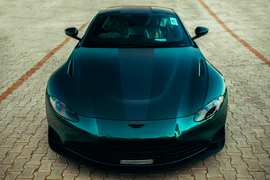
The concept of luxury electric car has also gained prominence, as manufacturers seek to combine the performance benefits of electrification with the refined amenities that discerning consumers expect. This segment represents a new frontier in automotive engineering, where the pursuit of power is inextricably linked to the delivery of a premium ownership experience.
The Future of Automotive Power
As we look towards the future, the automotive landscape promises to be even more exciting and dynamic. The ongoing evolution of technology, coupled with the increasing demand for sustainable transportation solutions, will continue to shape the definition of automotive power.
The integration of artificial intelligence (AI) into vehicle design and performance optimization is a trend that is poised to redefine the industry. AI-powered systems can analyze driving patterns, optimize energy consumption, and even personalize the driving experience to an unprecedented degree. This technological integration will enable the development of vehicles that are not only more powerful but also more intelligent and responsive to the needs of their drivers.
The concept of performance tuning is also evolving in this new era. While traditional tuning methods focused on mechanical modifications, the future of tuning lies in software optimization and data-driven performance enhancement. This approach allows for greater precision and customization, enabling drivers to fine-tune their vehicles to their specific preferences and driving styles.
The rise of custom car builds will also continue to play a significant role in the evolution of automotive power. As the demand for unique and personalized vehicles grows, the art of custom car building will become even more refined. This trend reflects a deeper desire among consumers to express their individuality through their vehicles, pushing the boundaries of design and performance in the process.
Conclusion: A Legacy of Innovation
The journey through the world of high-performance production cars is a testament to the enduring spirit of innovation that drives the automotive industry. From the raw power of American muscle cars to the sophisticated engineering of European hypercars, each vehicle represents a unique chapter in this ongoing saga.
As we navigate the complexities of the modern automotive landscape, it is clear that the definition of automotive power is constantly evolving. The integration of electric technology, the rise of artificial intelligence, and the increasing demand for sustainable solutions are all shaping a future where the pursuit of power is inextricably linked to the delivery of a responsible and exhilarating driving experience.
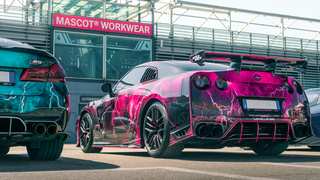
The legacy of the Bugatti Veyron, the Ferrari LaFerrari, and the McLaren P1 continues to inspire, while the American muscle car tradition, embodied by the Dodge Charger SRT Hellcat, demonstrates that the pursuit of power knows no geographical boundaries. As we look towards the future, one thing is certain: the quest for automotive excellence will continue to drive innovation, pushing the boundaries of what is possible and reminding us of the enduring magic of the automobile. Whether you’re drawn to the raw power of a classic muscle car or the cutting-edge technology of a modern EV, the world of high-performance vehicles offers a thrilling glimpse into the future of transportation.